
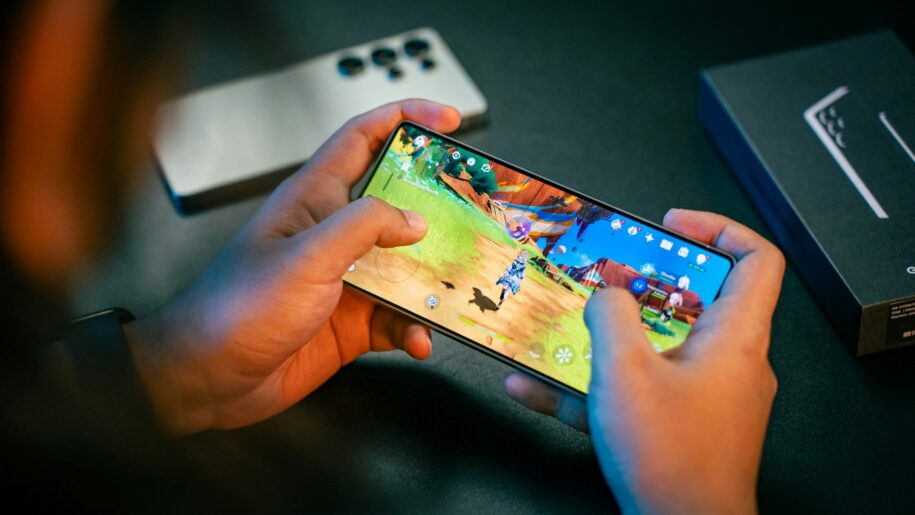
A mobile game launch works best when it feels like a discovery moment, not a quiet app store submission. We recommend treating release day as the center of a coordinated campaign that builds awareness before launch, drives downloads during launch week, and gives players reasons to stay afterward.
November raises the stakes. Holiday downloads, Black Friday promotions, seasonal events, and a crowded release calendar can make it harder to earn attention. With a focused mobile game marketing strategy, you can give players a clear reason to notice your game before holiday noise takes over.
Make Launch Day a Discovery Moment
Before choosing channels, we encourage you to define what a successful launch means for your team. A game seeking pre-registrations needs a different message than one aiming for press coverage, early reviews, community growth, creator videos, or launch-week revenue.
Choose a primary goal, then match your assets and measurement to it. Common launch priorities include:
- Pre-registrations, wishlists, or installs
- Gaming media coverage and creator reach
- Discord, email, or social community growth
- Review volume and player sentiment
- In-game purchases or event participation
Preparation should begin well before release. We generally recommend having core brand assets, store pages, press materials, creator outreach, paid campaigns, and distribution plans ready six to eight weeks ahead. That lead time gives you room to adjust messaging instead of rushing to fix gaps during launch week.
Your player promise should also be simple. People need to understand what the game is, who it is for, what makes it different, and why they should download it now. If that answer takes a long explanation, the launch message likely needs more focus.
Build Your Strategy Before Soft Launch
Soft launch is a learning period, not just a quiet release. We see it as a chance to test the full player experience, from the first ad impression to the first session in the game. Early feedback can help you improve the game, sharpen your message, and identify channels worth expanding.
Start by defining priority players and regions. A cozy puzzle game, competitive shooter, and licensed RPG should not sound alike or chase the same communities. Consider genre preferences, platform habits, spending behavior, and the gaming creators or publications your likely players already follow.
Then test the conversion path carefully. Look at creative performance, store-page conversion, onboarding completion, retention, review sentiment, and cost per install. These signals can show where interest fades and where your launch materials need work.
Owned channels matter here, too. Encourage interested players to join your email list, Discord server, or social community before release. Those spaces give you a direct way to share launch details, limited-time rewards, seasonal events, patches, and future updates without relying on a single platform’s feed.
Turn Brand Assets Into Storefront Trust
Branding is much bigger than a logo or a piece of key art. Every player-facing item should tell the same story, whether someone sees the game in an app store, a creator video, a news article, a social post, or a search result.
A practical launch asset kit keeps the team ready when media contacts, creators, and partners need approved material quickly. We recommend including:
- Gameplay footage, screenshots, key art, and logo files
- A short fact sheet with platform, genre, and release details
- Short and long game descriptions for different channels
- Developer bios, approved quotes, and store links
- A launch trailer and clear feature callouts
Your app store page deserves the same care as your press materials. Use gameplay-first trailers, readable screenshots, genre-relevant keywords, clear feature language, and localized copy when it fits your audience. Most importantly, the page should support the same claims players saw in an ad or announcement.
Support can take different forms. A PR agency may help with strategy, story development, and direct media relationships. A gaming newswire can support broader distribution, published announcement pages, and lasting access to official launch information. For many teams, these roles work well together rather than serving as replacements for one another.
Reach Gaming Media with Vertical Distribution
Broad distribution can create a lot of noise without putting the news in front of people who care about games. We believe vertical relevance matters more. A gaming-focused release has a better chance of reaching journalists, mobile gaming publications, creators, industry professionals, and dedicated players when it appears in places built for game news.
A launch announcement should lead with the facts readers need right away: the release date, platforms, genre, developer, major differentiator, and player value. After that, add details that give the news a reason to travel, such as launch rewards, multiplayer features, recognizable talent, partnerships, milestones, or seasonal content.
At GamingWire, we focus on gaming-specific distribution because context changes how an announcement is received. A release placed near relevant gaming coverage is easier for editors, creators, and industry readers to understand than one sent through a generic spray-and-pray channel.
Modern newswire distribution can also become a long-term visibility asset. Published release pages give media researchers and players a dependable source for launch details. Indexable publisher pages may support relevant search discovery, including Google News surfaces when publishers and search systems determine eligibility.
Support SEO, AEO, and GEO with Launch Coverage
Launch coverage can keep working after the first rush of installs. We recommend publishing clear, fact-rich information that helps players, journalists, search engines, and AI-powered discovery tools understand the game without confusion.
Keep core details consistent across your game site, app stores, media kit, social channels, and distributed announcement. That includes the game title, developer name, release date, genre, platform availability, pricing model, gameplay features, and official quotes. Consistency supports stronger brand recognition and reduces mixed messages.
Supporting content can answer real questions players ask, such as supported devices, multiplayer options, launch events, beginner tips, and release timing. These pages can support traditional SEO as well as AEO and GEO efforts built around direct, question-based discovery.
For agency teams, launch coverage also creates measurable assets. Track referral traffic, branded search interest, earned mentions, indexed coverage, search visibility, and sentiment trends. We recommend treating rankings, Google News placement, and AI citations as possible outcomes, not promises, because third-party systems make those decisions.
Keep Momentum Moving After Launch Week
Launch week starts the public life of your game. Plan follow-up moments around patches, new modes, collaborations, player milestones, community achievements, and live events. For a November release, Black Friday activity, winter content, and year-end gaming coverage can provide natural reasons to return to the story.
Reuse what performs well. Press mentions can become social proof, creator reactions can become short videos, player reviews can inform store-page updates, and gameplay clips can support both paid and organic creative. Review installs, retention, store conversion, coverage, referral traffic, community growth, and sentiment after each announcement. Those lessons should shape the next update, event, or expansion message.
Build a Stronger Launch Plan
GamingWire helps studios turn launch announcements into focused coverage across relevant gaming and technology outlets. Book a mobile game marketing strategy demo to see how our distribution supports discoverability, Google News visibility, and credible brand coverage. If you have questions about your next release, contact us to speak with our team.